Loading edition…

Radio
CURRENT EDITION
MARKET NOTE
Prices are typical US street prices for the stated capacity as of 2026-07-17; flash sales can change them sharply. The key trap is confusing a 2,000–4,000MB/s label with long-copy performance: many compact drives use dynamic SLC cache and then fall dramatically, especially QLC designs. Also check the host before paying for 20Gbps USB 3.2 Gen 2x2—many Macs and ordinary USB-C ports run these drives
9 PRODUCTS · RANKED
House priorities favor construction, performance, and value.
Current top recommendation: Seagate Ultra Compact SSD.
| Criterion · priority | 01 SeagateSeagate Ultra Compact SSD$100 | 02 CrucialCrucial X9 Pro$100 | 03 SK hynixSK hynix Beetle X31$95 | 04 SabrentSabrent Rocket Nano V2$180 | 05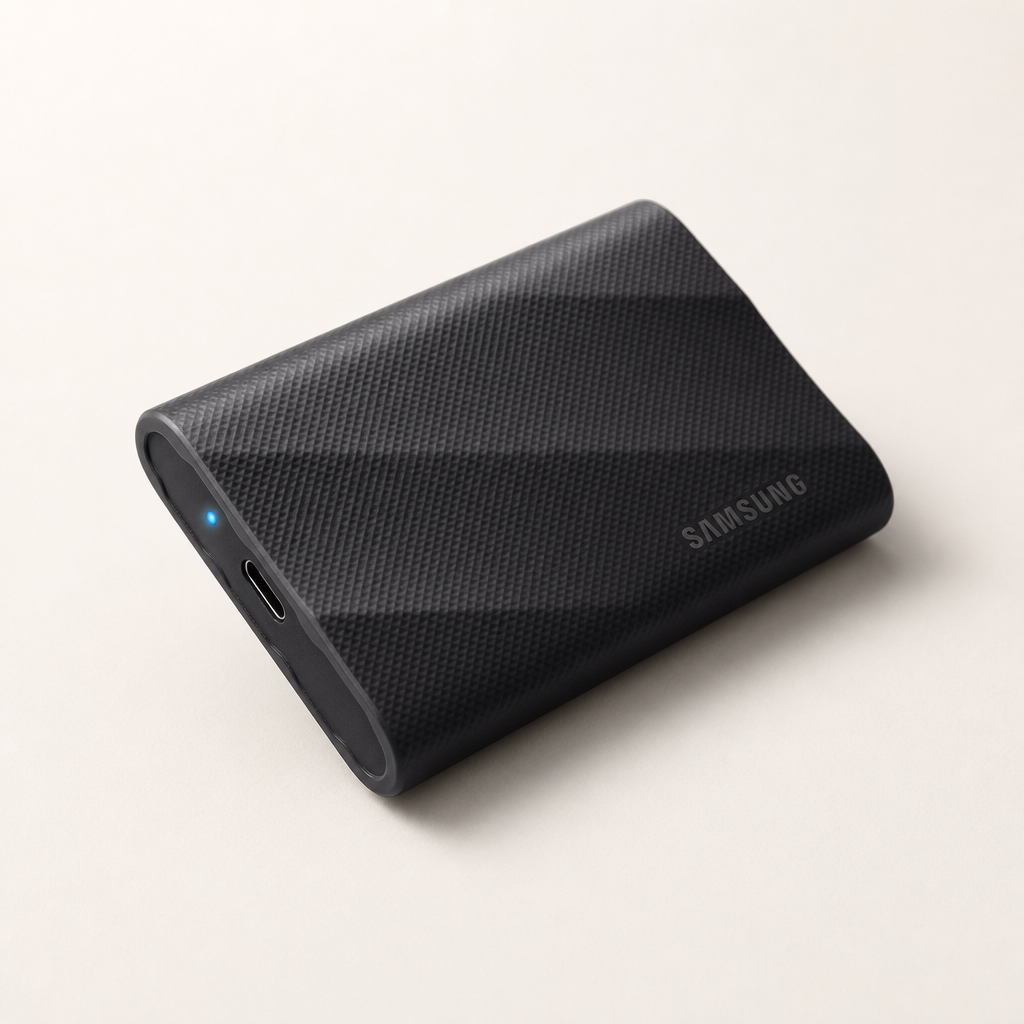 SamsungSamsung Portable SSD T9$180 | 06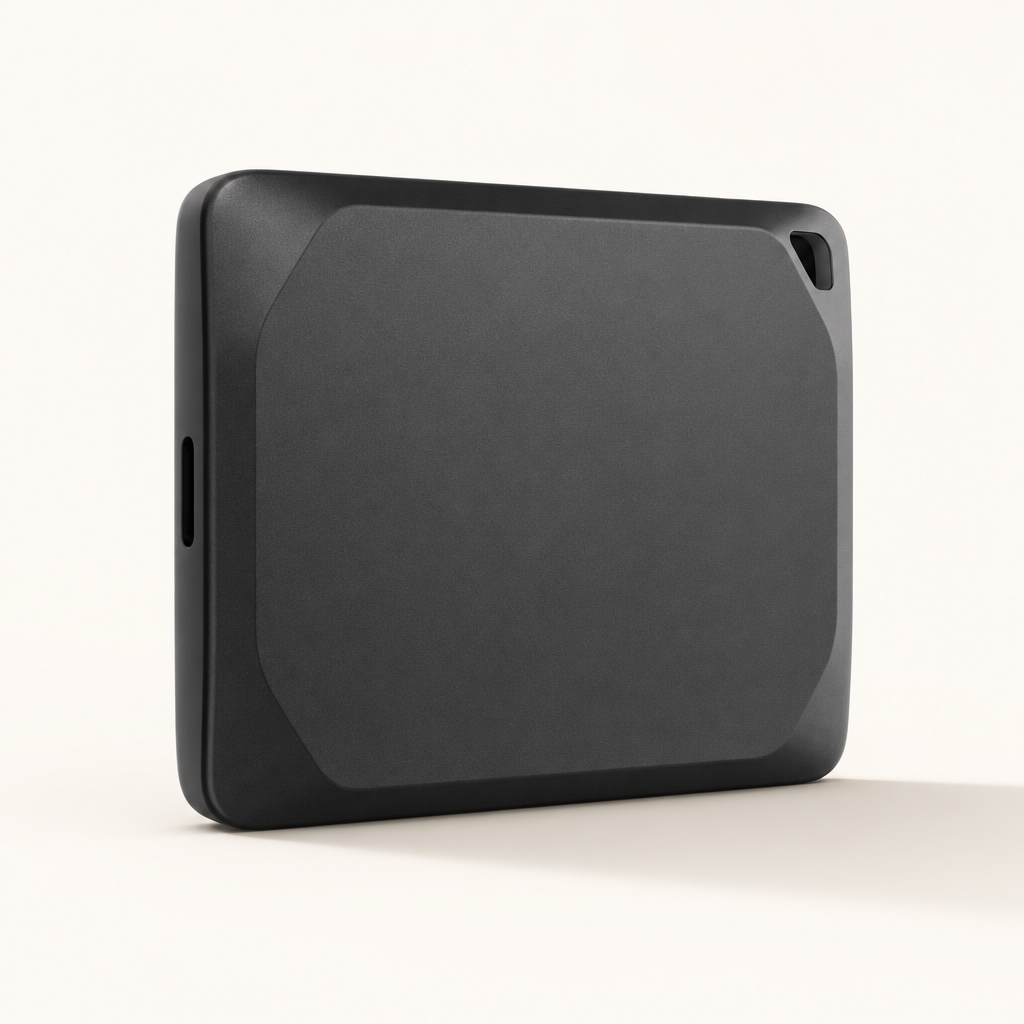 CrucialCrucial X10 Pro$210 | 07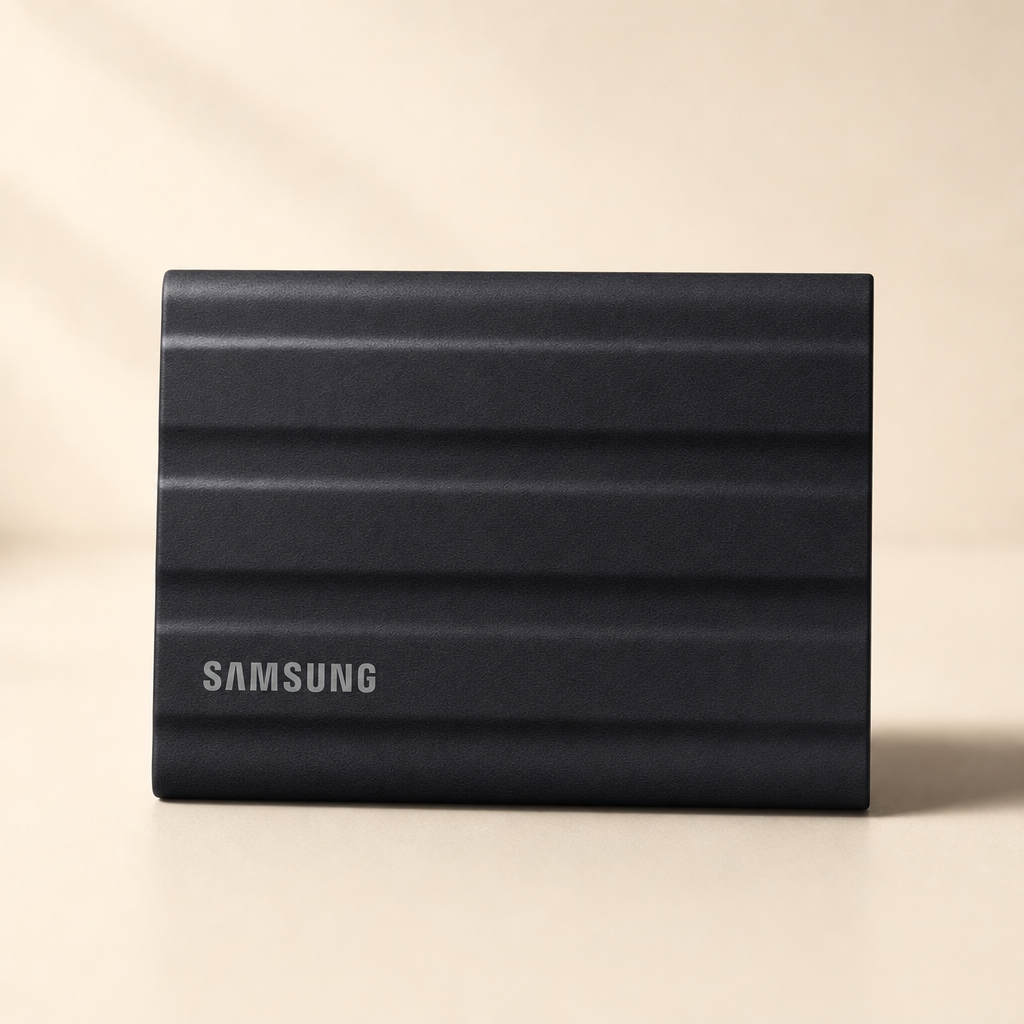 SamsungSamsung Portable SSD T7 Shield$100 | 08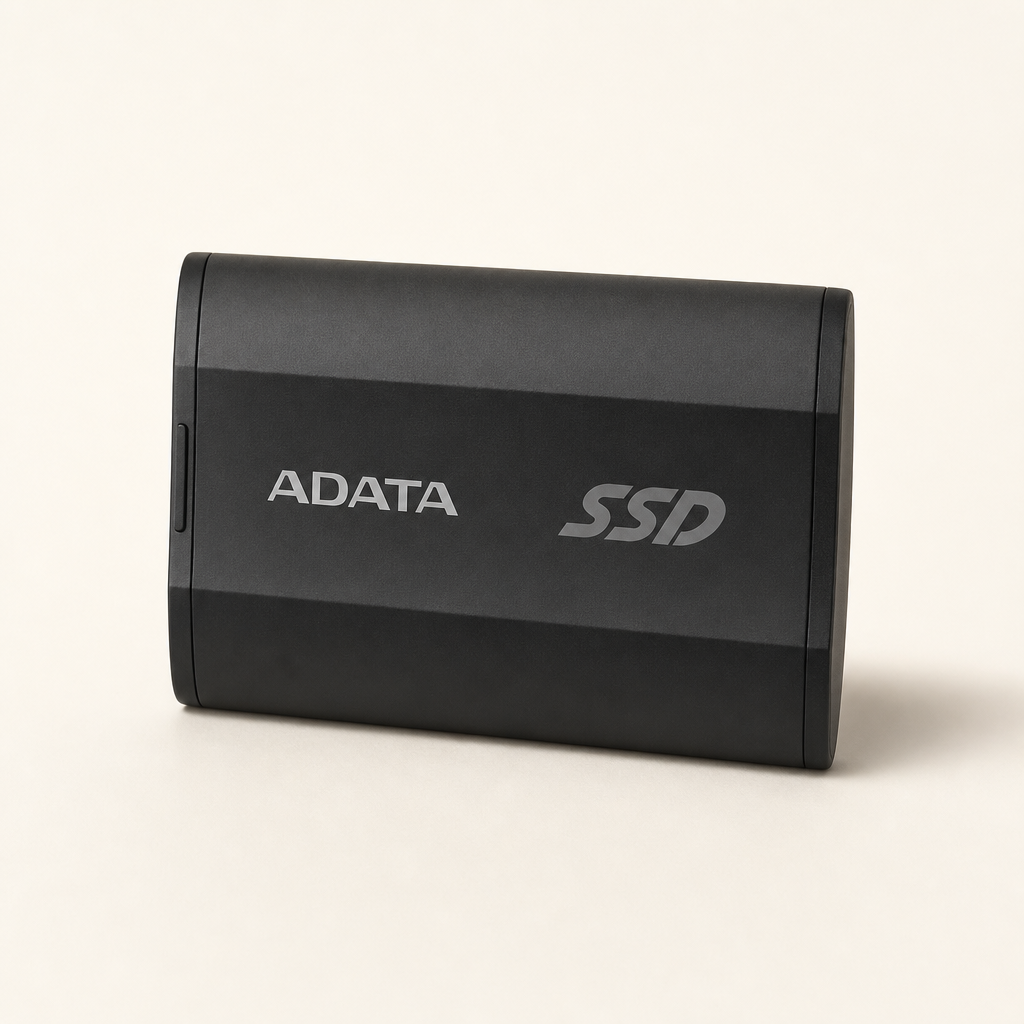 ADATAADATA SD810 External SSD$90 | 09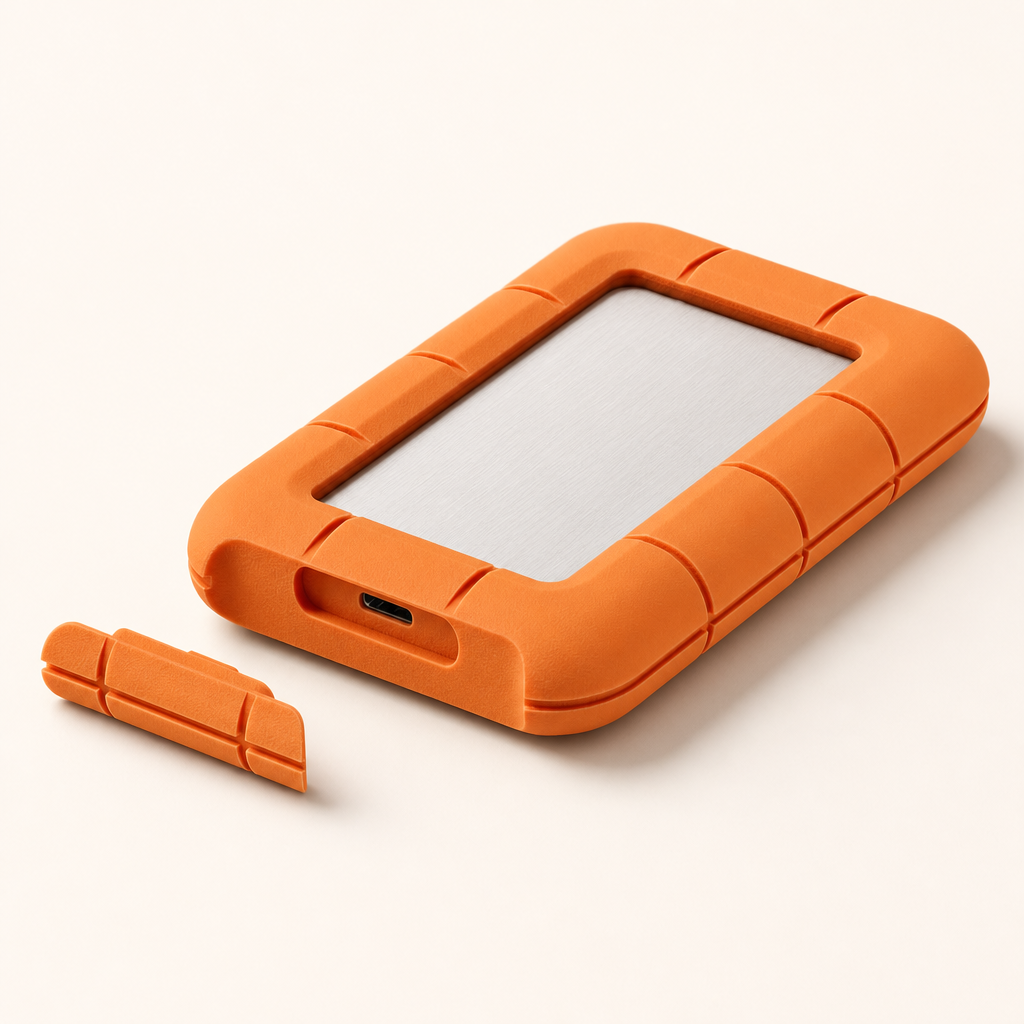 LaCieLaCie Rugged SSD4$249 |
|---|---|---|---|---|---|---|---|---|---|
| Sustained WritesPriority 1 | 8.0TechPowerUp found sustained writes aligned closely with portable SSDs rather than flash drives. | 9.0A 100GB-plus single-file copy did not slow in independent testing. | 7.0Independent reporting places post-cache sustained writing around 804MB/s. | 9.0Independent review praises long-duration write consistency; post-cache throughput is about 750–800MB/s. | 9.0Samsung specifies 1,000MB/s after TurboWrite without a sudden drop. | 9.0Independent review describes 2,000MB/s-plus sustained performance. | 9.0Independent review reports unusually flat, consistent writes rather than a burst-and-collapse pattern. | 7.0Large cache holds roughly 1,750MB/s initially but native post-cache speed can fall to about 250MB/s. | 9.0Independent testing reports 1,600–1,800MB/s sustained after the initial burst. |
| Thermal DesignPriority 2 | 9.0PC Gamer called it cool-running; the aluminum body is functional. | 9.0Aluminum casing and cool running were observed in testing. | 8.0Teardown found a thermal pad and metal shields front and rear. | 9.0Aluminum body and sleeve managed heat without reported throttling. | 9.0Designed to sustain high-rate transfers with thermal management. | 9.0Anodized aluminum works as passive cooling; stable thermals were reported. | 9.0Aluminum interior and Dynamic Thermal Guard support sustained transfers. | 9.0Aluminum shell operates as a heatsink; review reports it as functionally important. | 8.0Testing found effective management despite the insulating rugged shell. |
| Host CompatibilityPriority 3 | 10.0Native USB-C 10Gbps plug works without a cable on modern PCs, phones and consoles. | 9.010Gbps USB is much more common than Gen 2x2 and is backward compatible. | 9.010Gbps USB 3.2 Gen 2 is broadly usable. | 7.0Needs USB 3.2 Gen 2x2 for full 20Gbps; many Macs top out at 10Gbps USB. | 7.020Gbps on Gen 2x2, but many Macs/USB-C hosts receive 10Gbps. | 7.0Full speed needs 20Gbps Gen 2x2; 10Gbps hosts halve it. | 9.0Standard USB 3.2 Gen 2 works broadly, including slower USB hosts and Thunderbolt. | 7.020Gbps needs USB Gen 2x2; common 10Gbps hosts cap it lower. | 9.0USB4 and Thunderbolt compatibility offer useful high-speed coverage. |
| Controller And NANDPriority 4 | 9.0Phison PS2251-17 controller and Kioxia BiCS6 TLC. | 9.0SM2320 paired with Micron TLC NAND. | 9.0Onboard DRAM and SK hynix NAND/controller integration. | 9.0Phison U18 native USB controller and SK hynix TLC NAND. | 9.0Samsung integrated NVMe/NAND architecture. | 9.0Silicon Motion SM2320 and Micron TLC NAND. | 9.0Samsung vertical integration and TLC NAND favor predictable behavior. | 7.0SM2320-class native USB design, but cache behavior indicates QLC-oriented tradeoffs. | 8.0Modern PCIe Gen4 NVMe internals. |
| Durability And SealPriority 5 | 9.0IP54 and 3m-drop construction with silicone sleeve/cap. | 8.0IP55 and 2m drop protection. | 7.0Aluminum body and 2m-drop rating, but no IP seal. | 8.0Aluminum plus silicone sleeve and IP55 rating. | 8.0Rubberized shell and 3m drop resistance, though no IP rating. | 8.0IP55 rating and 2m drop protection. | 9.0IP65 and 3m drop rating; teardown found a connector sealing band. | 9.0IP68 and MIL-STD-810H protection with sealed port cap. | 9.0IP54 and 3m drop protection. |
| Capacity ValuePriority 6 | 8.0Around $100/TB for TLC, rugged construction and recovery service. | 9.0Around $100 typical for 1TB with TLC and a five-year warranty. | 8.0Typical $95/TB is fair for DRAM-equipped 10Gbps storage. | 8.0Competitive pricing for native-controller 20Gbps TLC storage. | 8.0Good value when bought around $180 for 2TB and a compatible host. | 8.0Strong value when a compatible 20Gbps port is already present. | 8.0Frequently near $100/TB while retaining TLC and rugged construction. | 10.0Often under $100 for a rugged 1TB 20Gbps model. | 7.0A real premium, justified only for its speed/rugged-use combination. |
| Ergonomics And ExtrasPriority 7 | 10.0Cable-free format is unusually convenient; sleeve, cap and Rescue service add utility. | 9.0Tiny 38g package, lanyard/LED, aluminum top and grippy base. | 9.0Compact curved form, case, two cables and status LED. | 9.0Very compact, grippy sleeve, and both cable types included. | 9.0Excellent grip, compact form, C-to-C/C-to-A cables and encryption. | 8.040g class size, lanyard feature and simple port layout; bundled cable is short. | 9.0Secure grip, compact 98g body, LED, and two useful cables. | 9.0Tiny metal enclosure plus C-to-C cable and C-to-A adapter. | 8.0Field-friendly bumper and recovery service; less pocketable than minimalist models. |
| Weighted value | 8.9/ 10 | 8.9/ 10 | 8.0/ 10 | 8.0/ 10 | 8.0/ 10 | 7.9/ 10 | 7.8/ 10 | 7.7/ 10 | 7.6/ 10 |