01
$200
Logitech
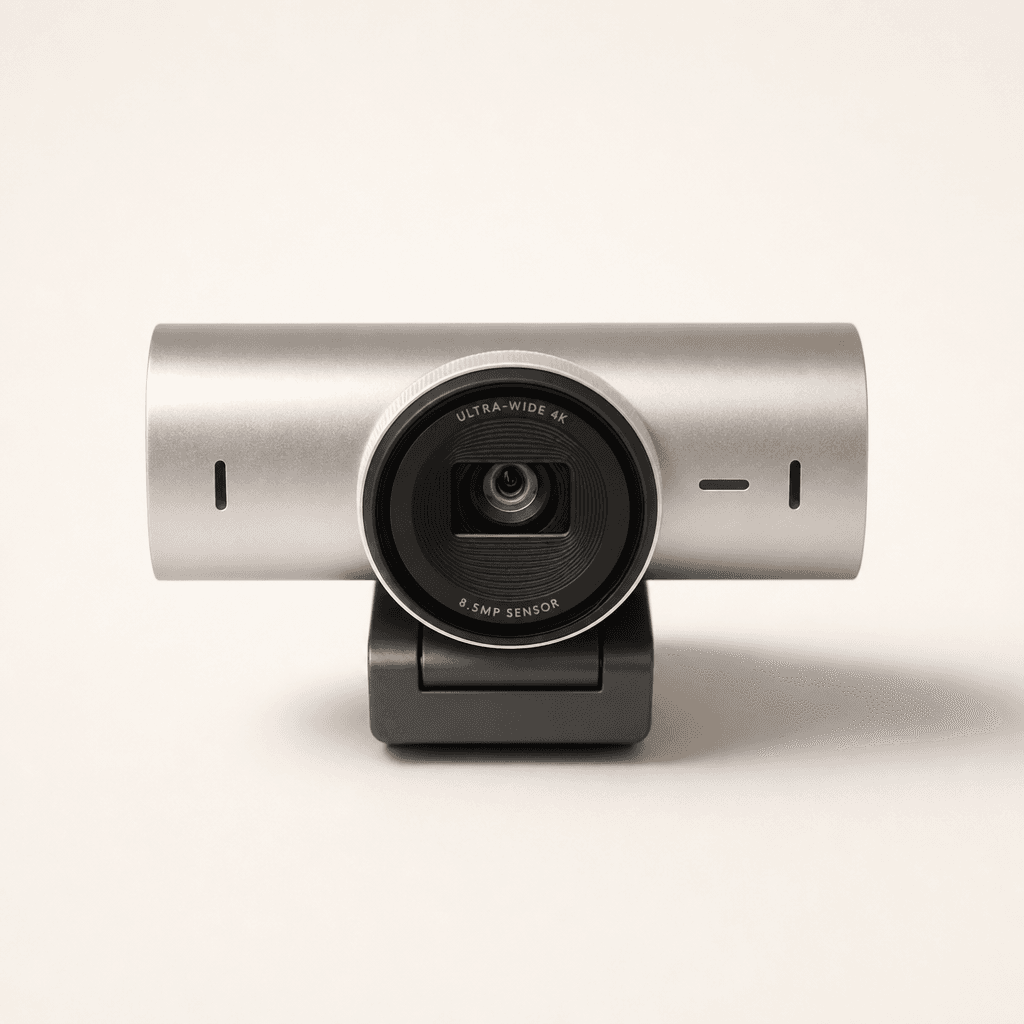
Top PickLogitech MX Brio 4K
An 8.5MP sensor with 70% larger pixels gives close-focus detail CNET calls unmatched. Gizmodo names it a low-light champion; the twist shutter is tactile, not decorative.

CURRENT EDITION
MARKET NOTE
The honest market has three bands: $50–70 gets competent 1080p/2K (choose autofocus, a glass lens, shutter and tripod thread, not claimed “4K”); $100–160 is today’s value sweet spot, where 1/2-inch-to-1/1.5-inch sensors and PDAF begin to matter; $180–200 can be justified for a polished 4K sensor, build and controls. Above $200, pay only for demonstrable hardware—large sensor, dual-native ISO, true
6 PRODUCTS · RANKED
House weights favor construction, performance, and value.
Current top recommendation: Logitech MX Brio 4K.
$200
Logitech
Top PickAn 8.5MP sensor with 70% larger pixels gives close-focus detail CNET calls unmatched. Gizmodo names it a low-light champion; the twist shutter is tactile, not decorative.
$250
Insta360
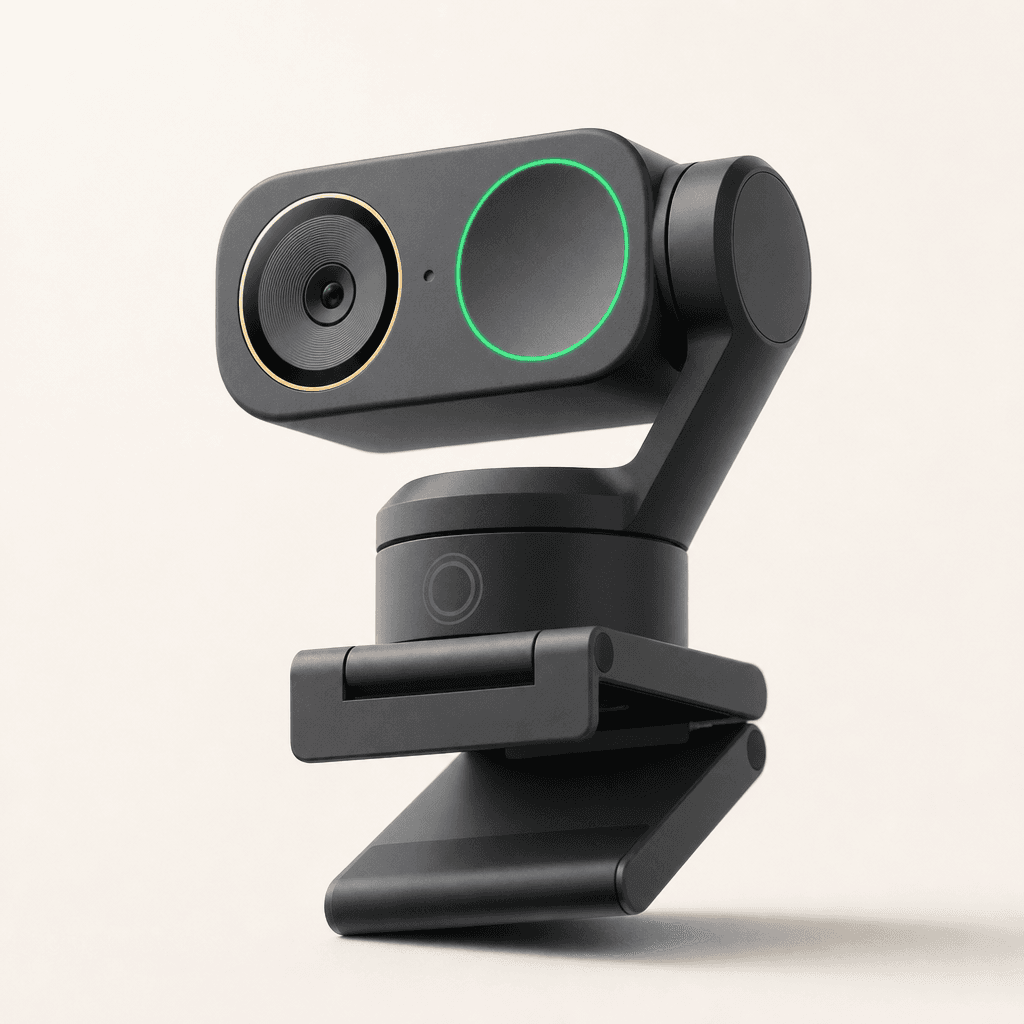
UPGRADEA 1/1.3-inch sensor with dual native ISO gathers 2.23x more light than Link 2. Trusted Reviews cites it as producing exceptional video quality for a webcam.
$129
OBSBOT
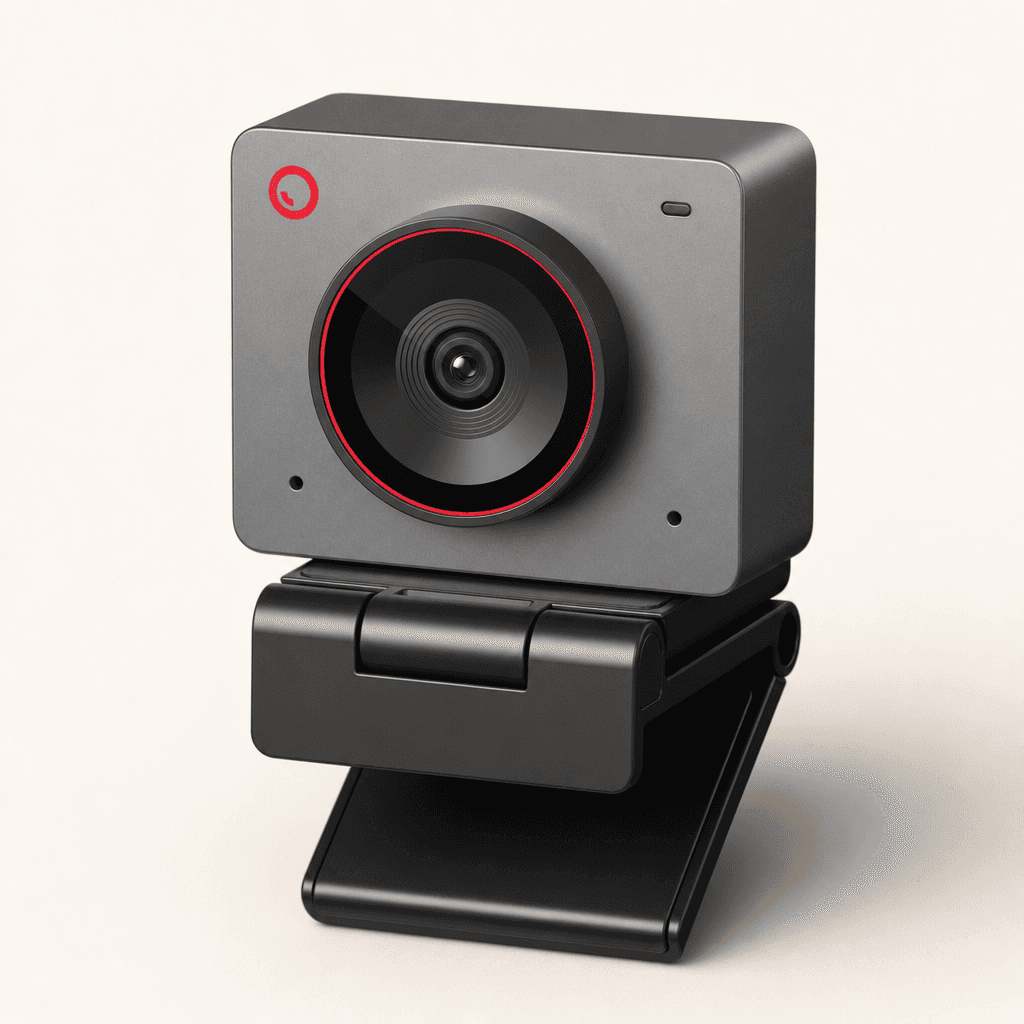
A 1/2-inch sensor and f/1.8 lens pack into a 40.5g aluminum body PCWorld calls worth its modest premium. The magnetic mount trades some cable security for setup speed.
$149
Insta360
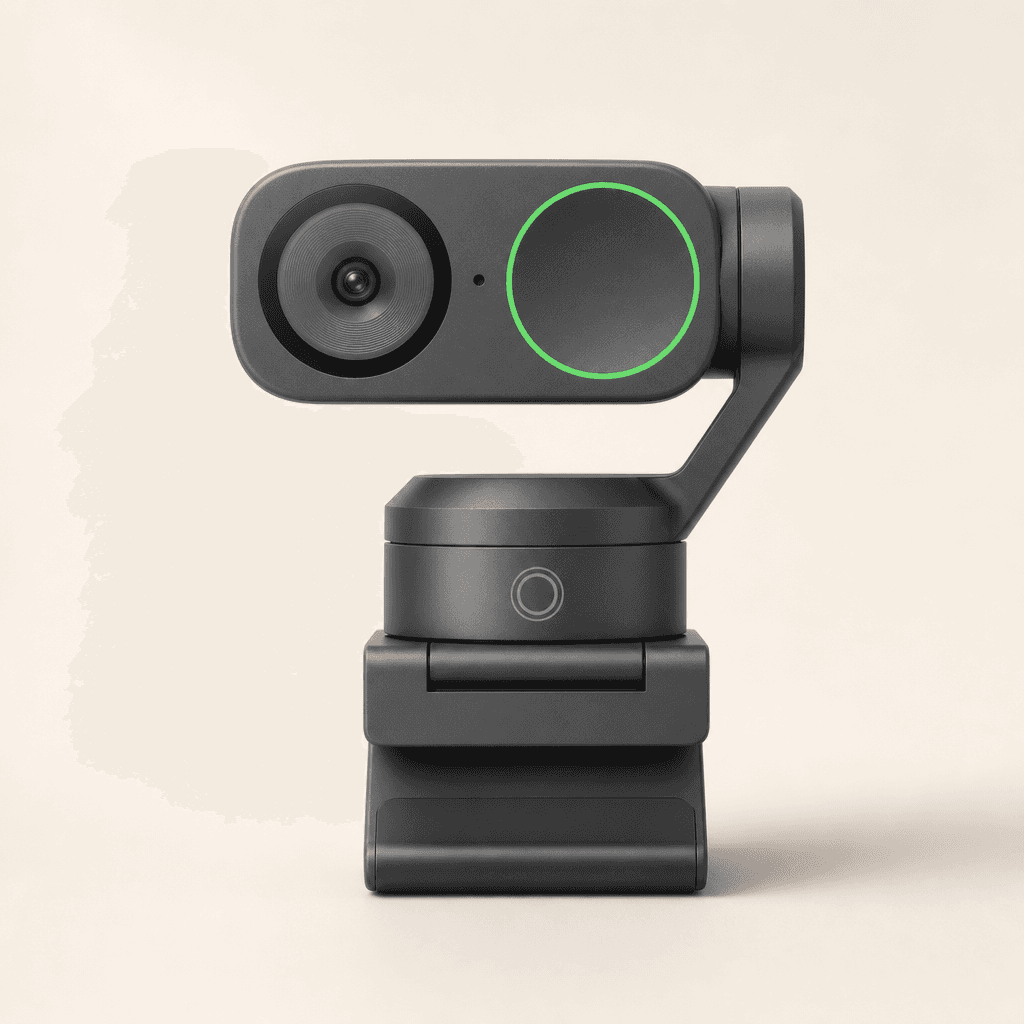
Skips the gimbal motor for a fixed 1/2-inch sensor and PDAF that locks fast. Trusted Reviews calls its 4K sharp and clear, leagues ahead of similarly priced fixed cameras.
$100
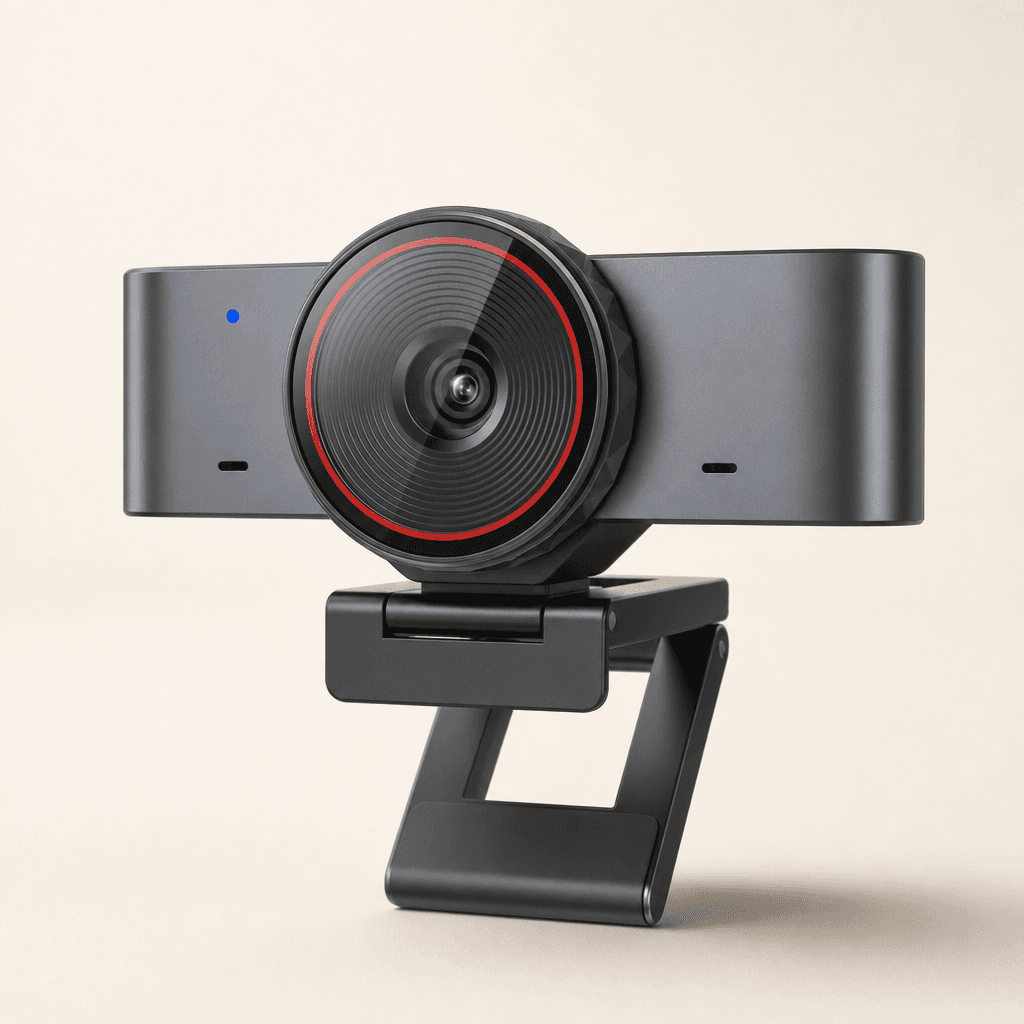
EMEET
BUDGETA 1/1.5-inch Sony sensor and aluminum chassis land at roughly $100, sensor hardware normally reserved for pricier cameras. PDAF locks quickly per independent testing.
$115
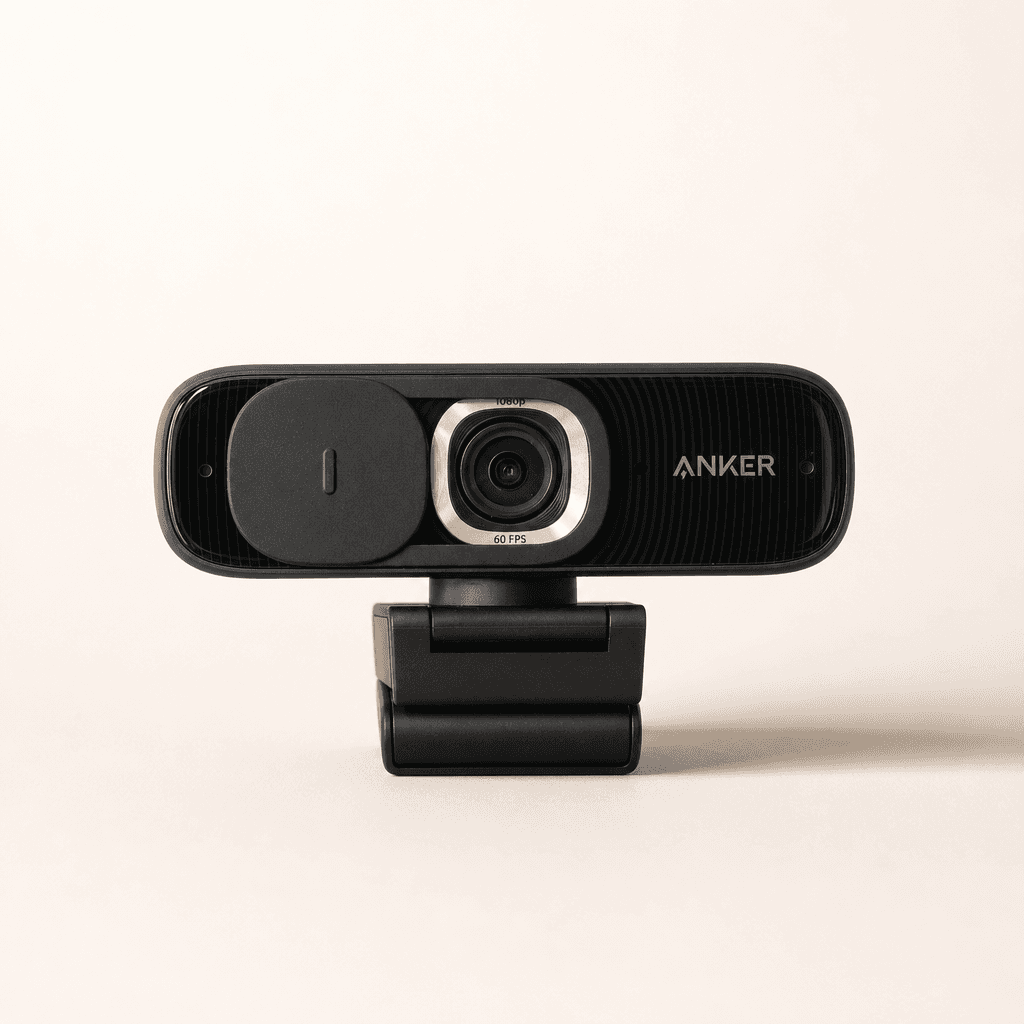
Anker
1080p60 with fast autofocus and AI framing cost $115, well under camera bodies with similar tracking speed. Cubed3 reports consistently polished exposure control.